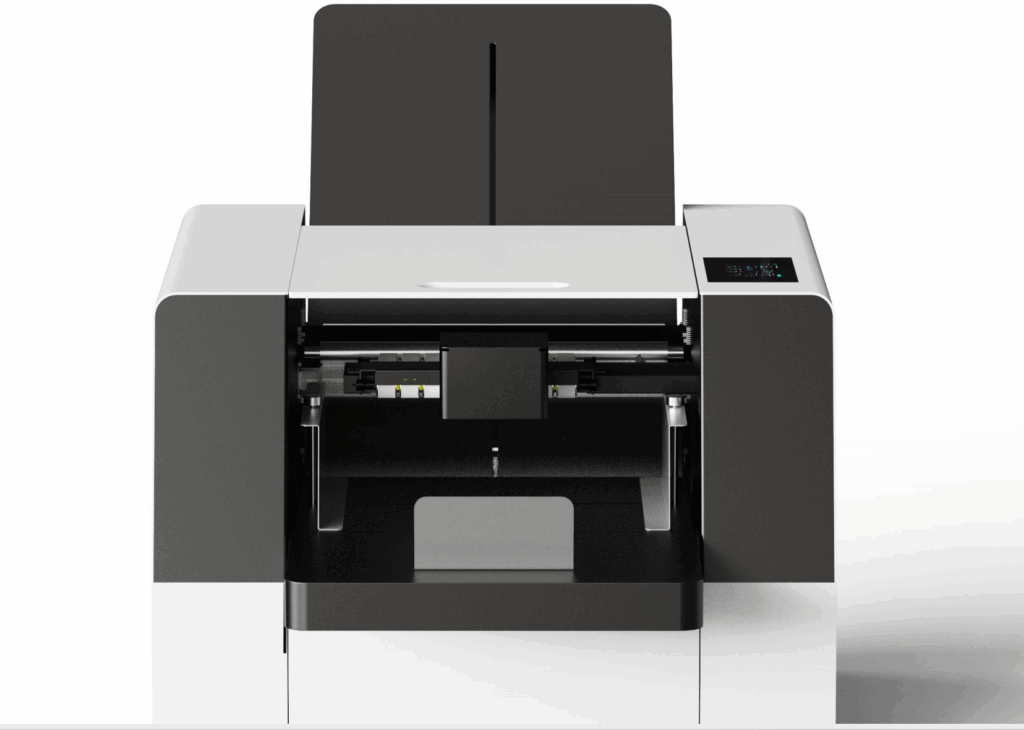
Folding Machines
In today’s digital workflow, the efficient processing of physical documents remains a critical component of professional operations. A modern folding machine provides a significant strategic advantage, transforming a traditionally manual task into a streamlined, automated process. For any business, from small enterprises to large organizations, integrating this technology enhances precision, accelerates throughput, and supports stronger operational outcomes.
Essential for print and mail-focused operations, these machines deliver fast, consistent folding for a range of materials—from standard letters to complex brochures. Automation is key: it eliminates manual errors and guarantees a professional finish for every item, ensuring your printed communications always reflect high standards.
Contemporary folding machines are engineered for the digital age, featuring programmable memory for repeat jobs, high-speed performance, and connectivity options that integrate with existing digital ecosystems. Adopting this technology allows businesses to optimize their print finishing stages, minimize bottlenecks, and significantly boost overall productivity.
Ultimately, leveraging an advanced folding machine is an investment in operational excellence. It streamlines a key process, reduces reliance on labour-intensive methods, and provides the efficiency necessary to maintain a competitive edge in a fast-paced commercial environment.
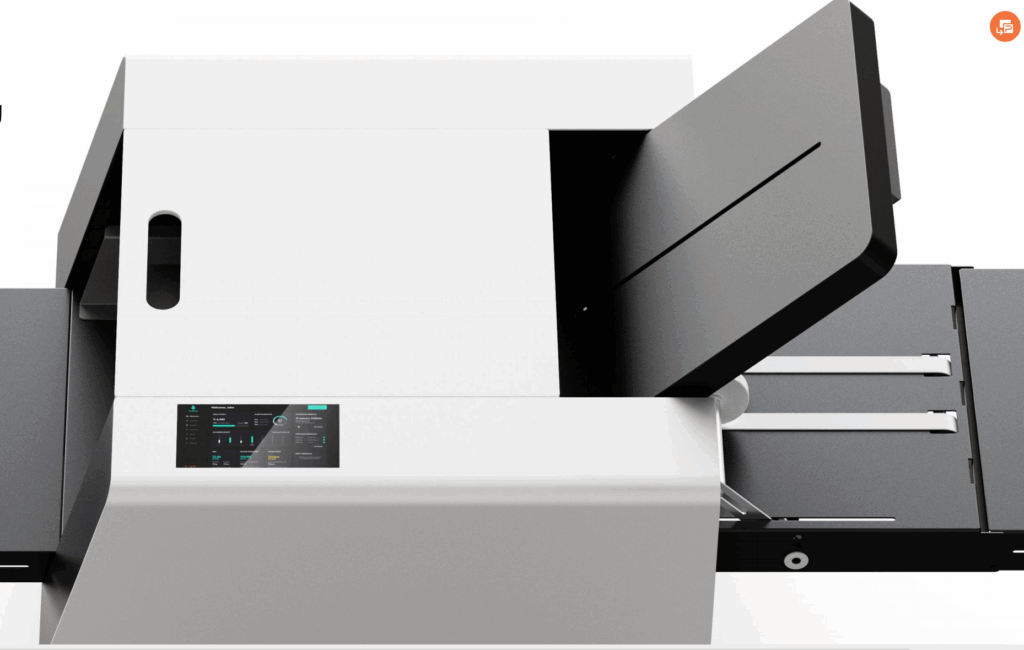
The evolution of folding machines
The progression of folding technology has fundamentally transformed document finishing from a manual craft into a precision-driven automated function. Historically reliant on skilled manual labour, the process was both time-intensive and susceptible to inconsistency. Modern folding systems have eradicated these inefficiencies, establishing a new standard for speed and reliability in professional environments.
Contemporary machines are engineered for versatility and precision, capably processing diverse substrates from standard paper to heavyweight cardstock and coated brochures. They execute a wide array of fold types—such as letter, accordion, and gate folds—with exacting consistency, ensuring every item meets a professional standard without manual intervention.
The most significant advancement is digital integration. Modern folders feature programmable memory to store complex job settings, guaranteeing identical results across repeat orders. Furthermore, connectivity with network printers and mailing software enables a seamless, end-to-end workflow from digital file to finished, ready-to-distribute document.
This evolution from a manual task to an integrated digital process addresses the core demands of modern business: operational efficiency, flawless accuracy, and scalable output. Investing in an advanced folding system is therefore not merely an equipment upgrade, but a strategic move to optimize workflow, reduce costs, and maintain a competitive edge in a fast-paced market.
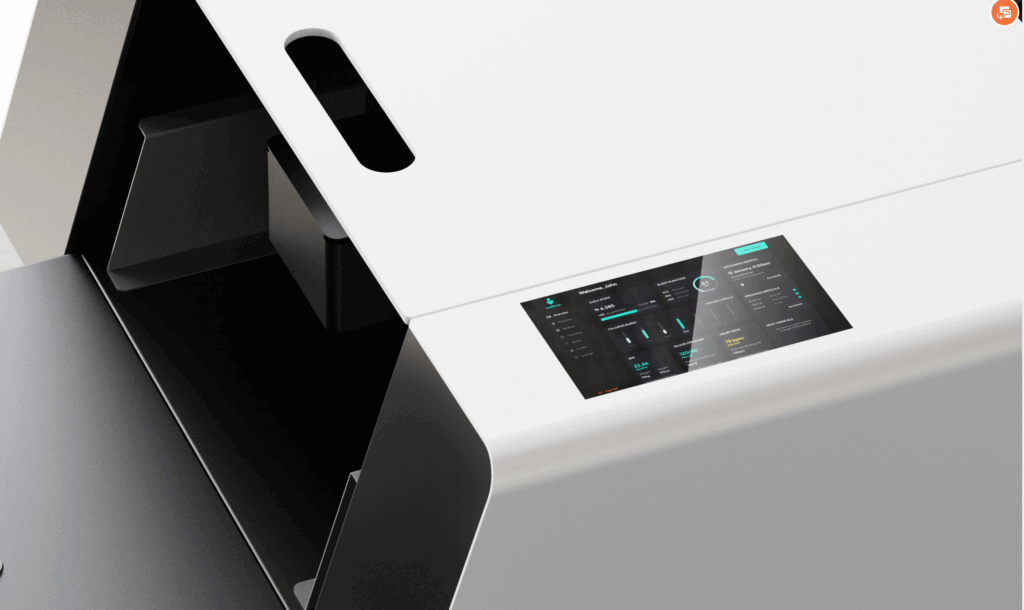
Benefits of using folding machines in the digital age
Integrating automated folding systems into a modern document workflow delivers substantial, measurable benefits for businesses. These machines address core operational challenges by enhancing efficiency, ensuring quality, and improving cost-effectiveness.
Enhanced Productivity & Operational EfficiencyAutomated folding dramatically accelerates processing speeds, handling hundreds of sheets per hour—far surpassing manual capabilities. This enables businesses to manage high-volume tasks and meet critical deadlines effortlessly. Crucially, it reallocates staff time from repetitive manual tasks to higher-value work such as design, strategy, and client service, boosting overall departmental output and morale.
Guaranteed Consistency & Professional AccuracyManual folding inevitably leads to variations, while automated systems ensure every fold is precise and identical. This eliminates errors like misalignments or incorrect creases, guaranteeing a uniformly professional finish across all materials. This consistency is fundamental to maintaining brand credibility and making a positive impression on clients.
Significant Long-Term Cost ReductionWhile requiring an initial investment, folding machines offer strong ROI by reducing labour costs and minimizing waste. They prevent expensive reprints caused by human error and optimize paper usage through precise, efficient folding patterns. The ability to handle increased volumes without additional staff further contributes to long-term savings.
Operational Versatility & FlexibilityModern folders are highly adaptable, capable of processing various materials—from standard paper to heavy cardstock—and executing multiple fold styles (e.g., letter, accordion, gatefold). Programmable settings allow instant switching between jobs, providing the agility to meet diverse client specifications and project requirements with a single machine.
Strengthened Client Satisfaction & TrustThe combination of speed, reliability, and flawless finish directly enhances the client experience. Delivering professionally finished materials on time, every time, builds trust and fosters long-term business relationships. The quality of the finished product becomes a tangible reflection of your company’s attention to detail and commitment to excellence.
In summary, automated folding systems are a strategic investment that streamlines production, ensures quality, controls costs, and ultimately supports a more professional, responsive, and competitive business operation.
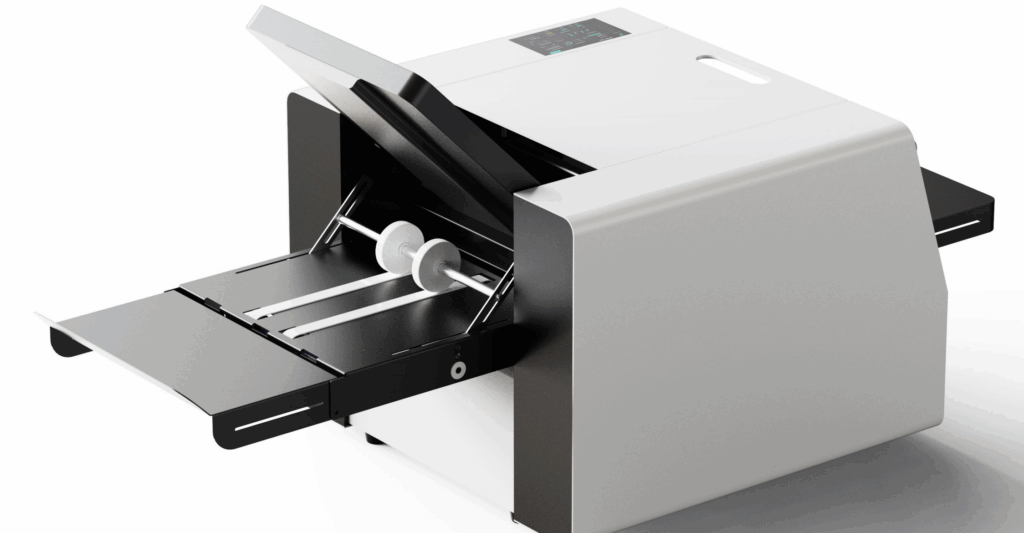
Types of folding machines and their capabilities
Folding machines are engineered in distinct types to match specific production volumes, material requirements, and desired levels of automation. Selecting the appropriate model is fundamental for operational efficiency. The primary categories are manual, friction-feed, air-feed, and digital systems.
Manual Folding MachinesThese are the most basic and economical entry point. Operation is entirely hands-on, requiring the user to feed each sheet and manually activate the fold. Best suited for very low-volume, occasional tasks, their portability and low cost come at the expense of speed and consistent accuracy compared to automated models.
Friction-Feed Folding MachinesAs the most common type for general office and commercial use, these employ rubber rollers to grip and pull sheets through the folding mechanism. They offer significantly higher speed and efficiency than manual machines and capably handle a wide range of standard paper sizes and weights, making them ideal for medium to high-volume environments.
Air-Feed Folding MachinesDesigned for more demanding materials, these systems use a cushion of air to separate and gently guide sheets. This technology is superior for processing heavy, coated, or glossy stocks (like brochure paper) that might slip or mark in a friction-feed system. They are the preferred choice in print and design industries where finish quality is critical.
Digital Folding MachinesRepresenting the pinnacle of automation, these advanced units feature programmable memory, high-speed performance, and network connectivity. They allow for the storage of complex fold patterns and integration into digital print workflows. This makes them essential for high-volume operations with complex, repeat jobs, maximizing throughput and ensuring flawless consistency.
The optimal choice depends on a clear assessment of your typical paper types, weekly volume, fold complexity, and need for automation. A precise match between these requirements and the machine’s core technology ensures a valuable, productivity-enhancing investment.
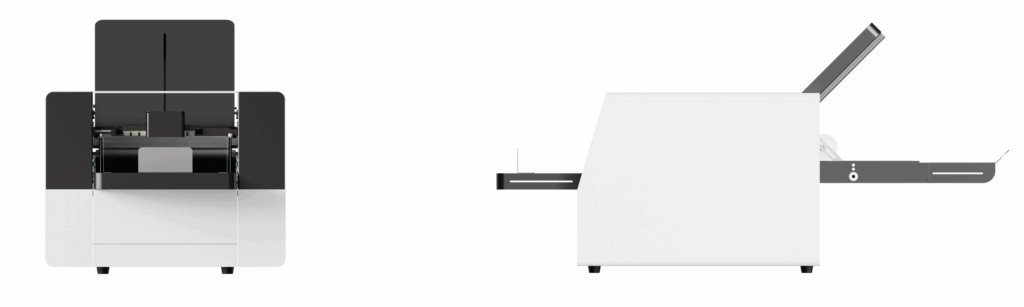
Factors to consider when choosing a folding machine
Selecting the optimal folding machine for your business requires a strategic evaluation of your specific operational demands against key technical and commercial criteria. A methodical assessment ensures your investment enhances workflow, quality, and return on investment.
1. Assess Throughput Capacity and Operational SpeedDetermine your average and peak daily folding volume to establish the necessary duty cycle. A high-volume environment demands a machine with a higher rated speed (sheets per hour) to maintain workflow efficiency and meet deadlines, whereas lower volumes may allow for a more cost-effective model with moderate speed.
2. Evaluate Material Compatibility and Size Range Analyze the weight, finish, and dimensions of your typical substrates—from standard bond paper to heavy cardstock and glossy coatings. The chosen machine must accommodate your full size range and handle specific materials without marking or misfeeding to ensure flawless results.
3. Verify Required Folding Styles and VersatilityConfirm the machine supports the fold patterns essential to your output, such as basic letter folds, multi-panel accordions, or specialized gatefolds. A system with quick-adjust mechanisms or programmable memory for different styles offers crucial flexibility for diverse projects.
4. Prioritize Intuitive Operation and Service AccessibilityAn ergonomic control panel and clear guidance reduce operator training time and errors. Equally important is a straightforward preventive maintenance schedule; easy access for cleaning and service minimizes downtime and supports long-term reliability.
5. Analyze Total Cost of Ownership (TCO)Consider the complete financial outlay, including the purchase price, ongoing maintenance, and potential consumable costs. The goal is to balance upfront expenditure with long-term value, selecting a robust machine that delivers the necessary performance and durability for a strong return on investment.
By systematically addressing these core considerations, you can identify a folding system that seamlessly integrates into your operations, driving productivity and ensuring consistent, professional finishing.
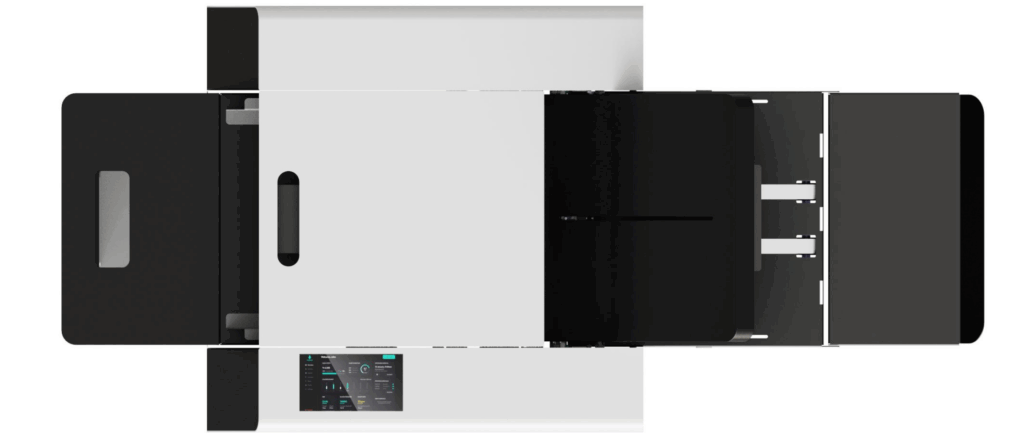
How to optimize your workflow with folding machines
Once a folding machine is integrated into your operations, implementing strategic workflow optimizations is key to maximizing its return on investment and enhancing overall productivity. The following practical approaches will help you achieve peak efficiency.
1. Leverage Configurable Memory Settings Utilize the machine’s programmable memory to create and store standardized job profiles for your most common projects. This includes preset configurations for specific fold types, paper sizes, and calibration settings. By doing so, you eliminate repetitive manual setup, reduce the risk of errors, and guarantee perfect consistency across all production runs, from small batches to large volumes.
2. Implement Batch Processing and System IntegrationAdopt a batch workflow by processing entire stacks of pre-collated materials in a single, continuous operation. This dramatically accelerates throughput compared to single-sheet feeding. For maximum efficiency, explore integrating the folder with upstream and downstream digital systems, such as a digital press or mailing software. This creates a seamless, automated pipeline from printing and folding to finishing, minimizing manual handling and delays.
3. Adhere to a Preventive Maintenance ScheduleSustained performance depends on rigorous care. Follow the manufacturer’s schedule for routine cleaning of rollers and paper paths, and apply specified lubricants to moving parts. Complement this with periodic professional servicing by a qualified technician. This proactive approach prevents unexpected breakdowns, maintains precision, and significantly extends the machine’s operational lifespan, protecting your productivity.
4. Invest in Continuous Operator Training and FeedbackComprehensive initial training on operation, safety, and basic troubleshooting is essential. Foster a culture of continuous learning and process improvement by encouraging operators to provide feedback on workflow bottlenecks or suggestions for template enhancements. Empowering your team with knowledge and involving them in optimization ensures the equipment is used to its full potential, driving long-term gains in both efficiency and output quality.